
The Unified
Bobnet Platform
From a single device to a Human Free Process — every chain, every site, one orchestrated system.
We build on
non-humanoid robots.
From a single device to a Human Free Process — every chain, every site, one orchestrated system.
The Bobnet Unified Platform is the complete architecture that connects physical devices, operational intelligence, and business applications into a single, coherent system.
Whether you run one locker in a lobby or a thousand automated points across a multi-country network, every component operates as part of the same chain — controlled by the same OS, governed by the same rules, visible in real time through the same platform.
The Chain
The Fundamental Unit of the Platform
The platform does not treat devices as isolated endpoints. It treats them as members of chains — and chains as the building blocks of scalable operations.
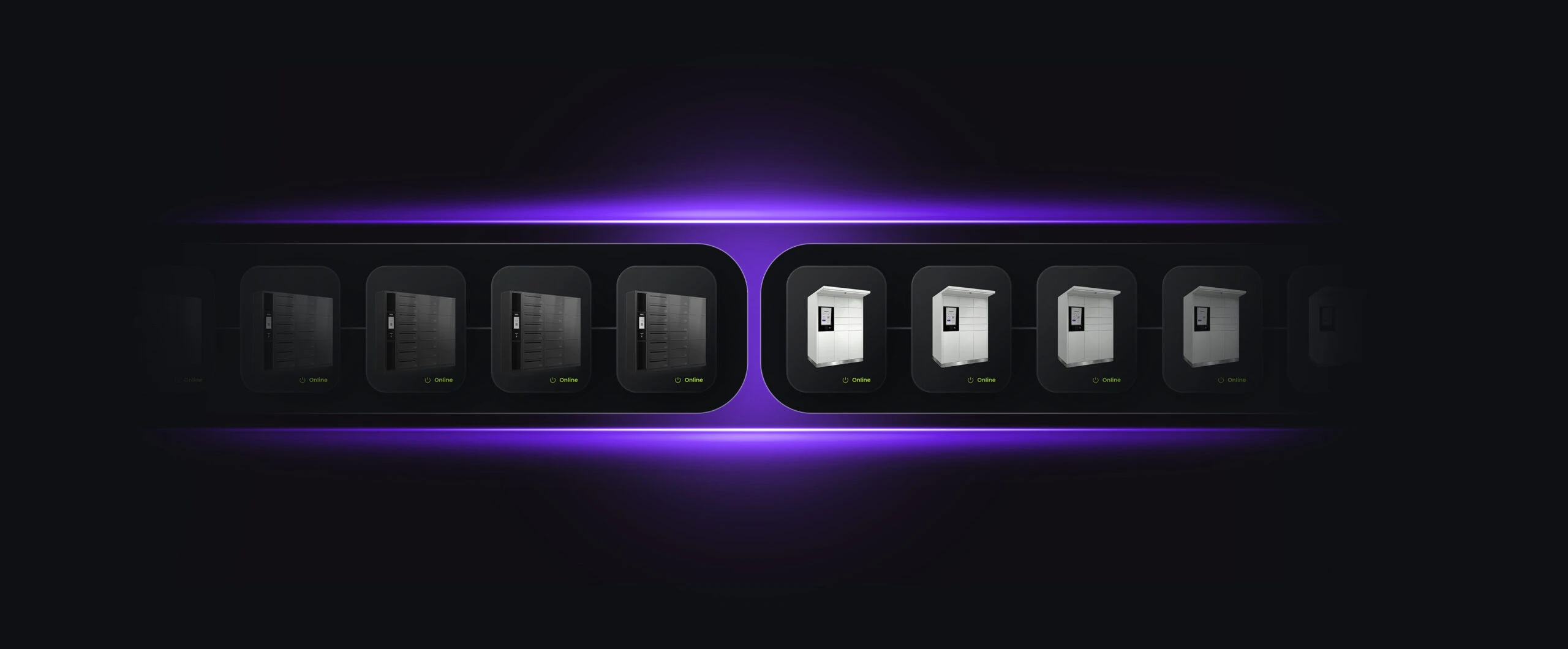
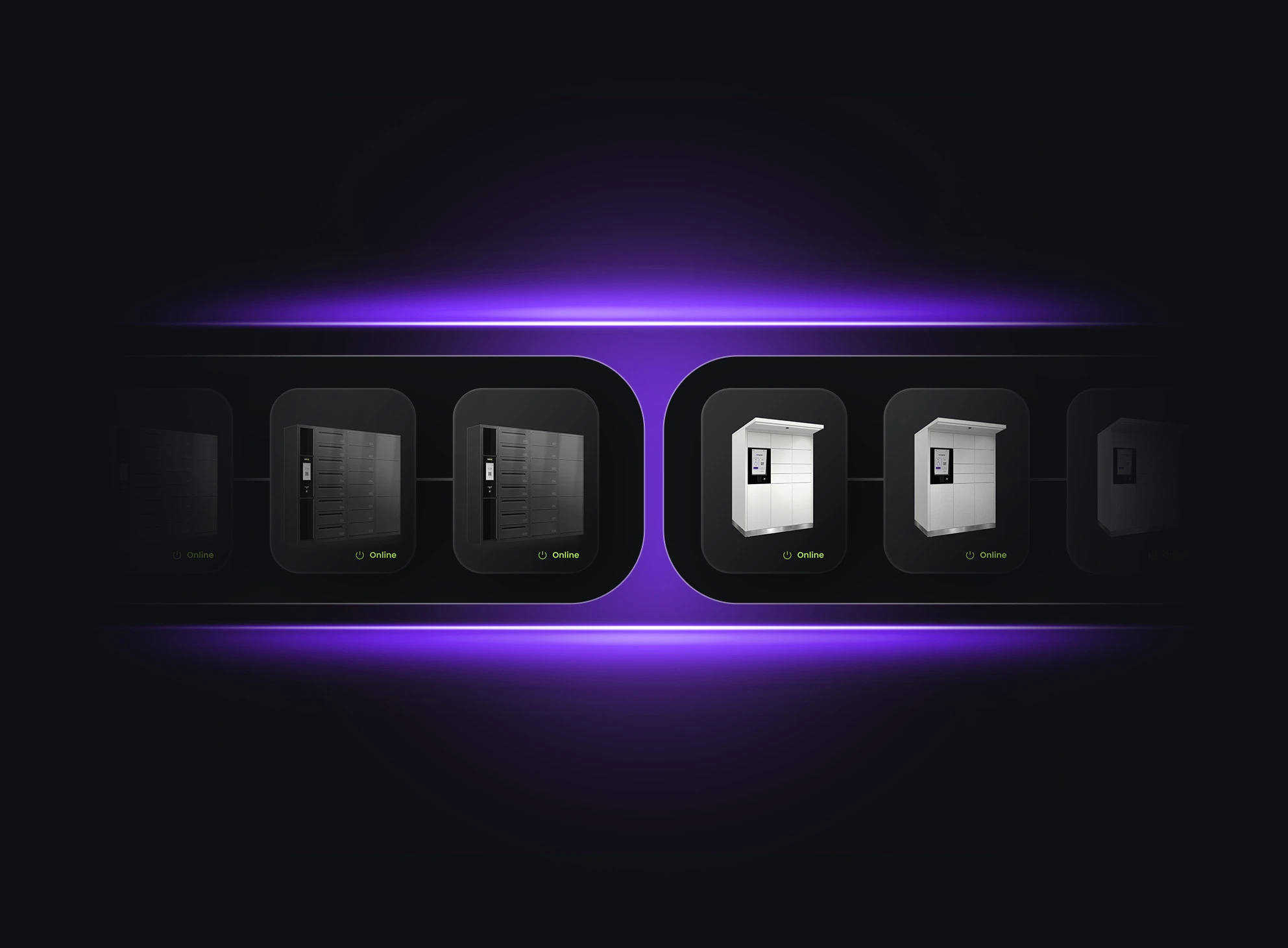
At the core of the Bobnet Unified Platform is the concept of the Chain — a structured, connected group of devices that operate together as a single autonomous unit. A chain is not just a collection of hardware. It is a live operational entity: devices linked through Bobnet OS, governed by the Chain Management System, and visible from Business Applications in real time.
Each chain can represent a single use case — a parcel locker cluster, a vending line, a self check-in station, a staff supply module. Multiple chains connect to form a Staff Free environment. Multiple Staff Free environments, across multiple sites, form a Human Free Process network.
Device Chains feed into the Bobnet Computer System, which runs Bobnet OS. The OS bridges the physical layer to the Cloud Core, where Business Applications operate — all within one unified architecture.
One Unified Platform. Three Layers. Infinite Chains.
Layer 1
Bobnet OS
Device-Resident Intelligence

Read more
Each device in a chain runs Bobnet OS. The OS is what makes the chain diagnosable, repeatable, and scalable.
- Reusable driver library — built once, reused across all device blueprints
- On-device command execution close to electronics
- Real-time telemetry and health reporting per chain
- Bulk updates and configuration rollouts at fleet scale
- API-driven orchestration through cloud-accessible interfaces
Layer 2
Chain Management System

Read more
The CMS is the intelligence layer between physical devices and business decisions. It is what turns isolated chains into a coordinated network.
- Unified catalog and assortment configuration per chain or network
- Pricing models, promotions, and eligibility rules
- Workflow orchestration: replenishment, orders, access, ticketing
- Integrated payments (POS, QR, tap, RFID/NFC)
- Cross-chain telemetry and unified reporting
- ERP, WMS, POS, eCommerce, and access control integrations
Layer 3
Business Applications

Read more
Apps do not contain business logic — they expose it. This is what keeps pricing, validation, and workflows coherent across all chains.
- Backoffice Web App — Catalog, pricing, rules, user permissions, fleet grouping, governance
- Ops Mobile App — Guided replenishment, barcode/QR scanning, stock movements, checklists
- End-User Mobile App — Purchase, reserve, authenticate, access
- On-Device Kiosk UI — Full on-device journey without a mobile requirement
- Technical Console — Fleet health, diagnostics, anomaly detection, bulk configuration rollout
Every Platform Deployment Follows the Same Growth Path
The unified platform scales because every chain, at every level, runs the same OS, connects to the same CMS, and is operated through the same Business Applications.
L1
Low Staff Automations
Smart devices handle the repetitive work — your staff stays focused on what actually needs a person.
L2
Reduced Staff Automations
Fewer people run more — automation covers the volume, staff covers the exceptions.
L3
Hybrid Automations
Non-humanoid robots and automated systems work side by side with a minimal human layer to run complete operational flows.
L4
Staff Free Automations
No on-site staff — third-party specialists connect through the platform on demand for refill, cleaning, and maintenance, each in their own lane.
L5
Human Free Process
The highest level of non-humanoid robotisation — a fully autonomous process with no human intervention at any stage of the operation.
Every Chain Starts With Certified Hardware
The Unified Bobnet Platform is backed by Bob IoT, the licensed manufacturing arm of the Bobnet ecosystem.
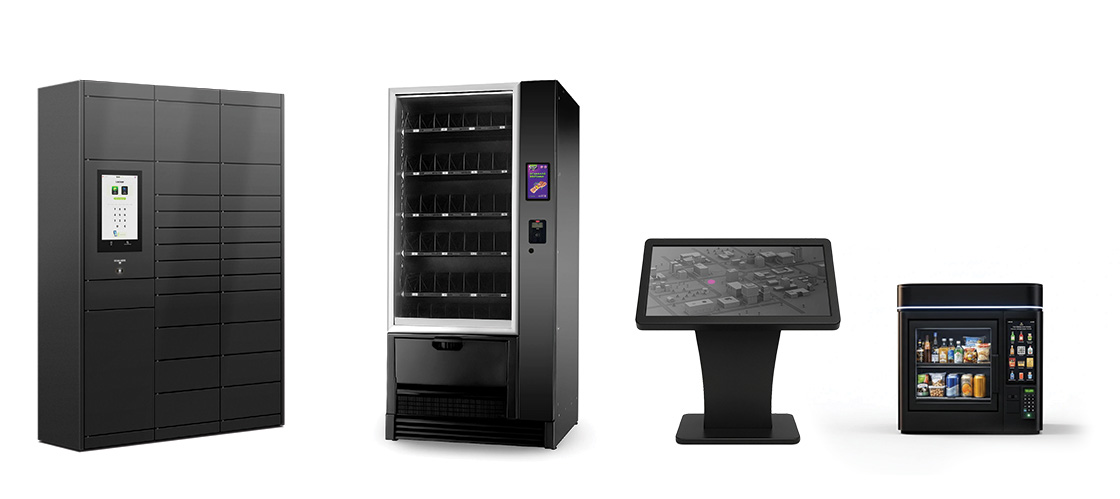
Bob IoT produces standardized lockers, vending machines, kiosks, and robotic modules — all pre-certified for Bobnet OS integration.
- Standardized hardware blueprints — built for chain deployment
- Modular form factors: lockers, vending (spiral, drum, lift), kiosks, robotic reception units
- Field-tested across retail, logistics, hospitality, campuses, and travel hubs
- Compatible with Low-Staff, Reduced-Staff, Hybrid, Staff Free, and Human Free deployments
- 300+ IoT points across Romania and EU
When hardware and software share the same architecture, you stop paying integration tax on every new chain.
The Platform Across Industries
Offices & Workspaces
Staff supply chains, pantry automation, smart parcel lockers, self-service access

Hospitality
Autonomous reception chains, luggage storage, key handover, amenity vending

Retail
BOPIS locker chains, order pickup, smart merchandise vending, loss prevention

Residential
Bring autonomous convenience into living spaces with zero friction for tenants.

Logistics & Industrial
Gear supply automation, consumable vending, tool lockers, cross-dock flows
Food Service
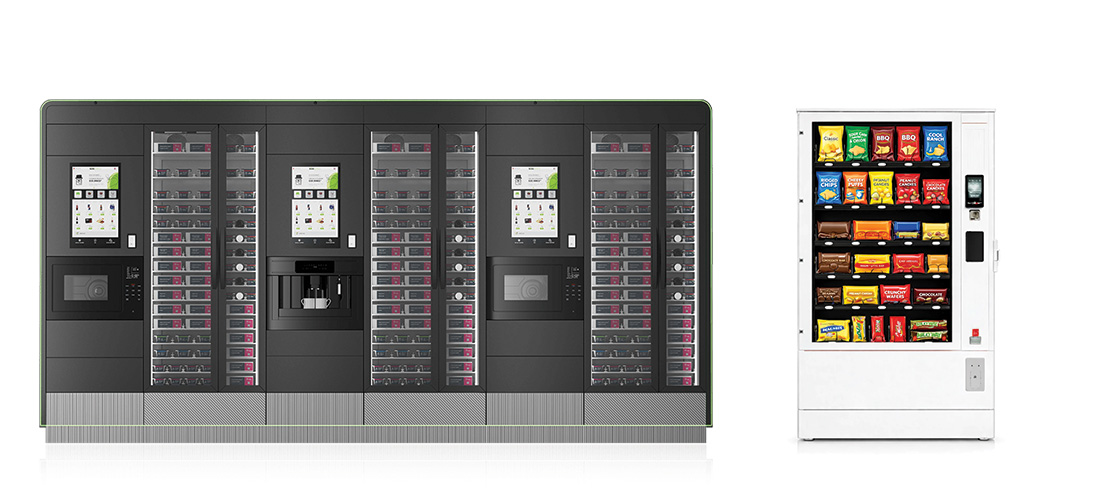
Hot meals vending chains, snack & drink automation, pantry replenishment flows
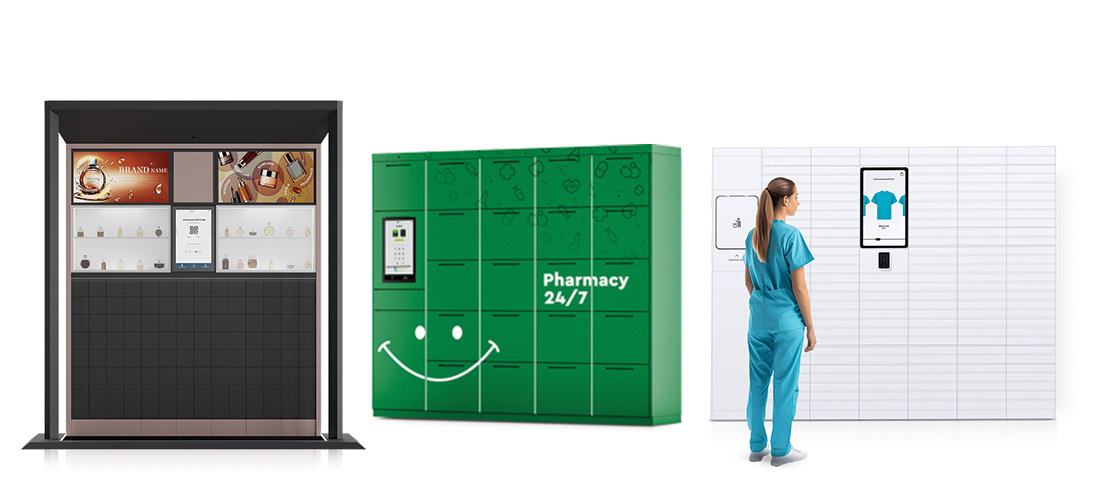
Healthcare & Pharma
Controlled distribution chains, secure dispensing, access-controlled supply
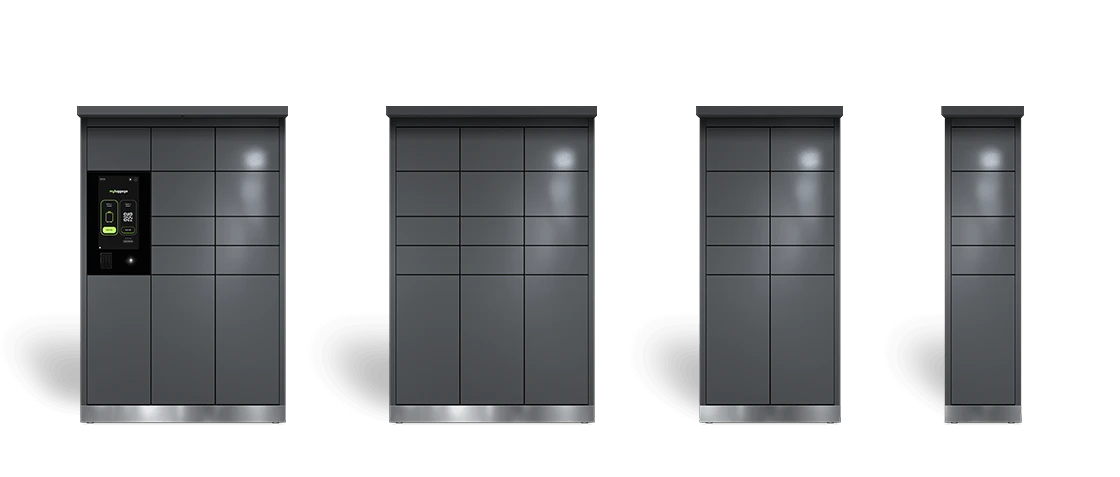
Travel & Mobility
Travel essentials chains, connectivity kiosks, luggage lockers, document verification
Validate Your First Chain. Then Scale the Network.
The Enterprise Pilot (60–90 days) is how organizations prove the platform before committing to a multi-site rollout. We design an automation architecture for one zone — configure the chains, deploy Bobnet OS, integrate with existing systems, and measure real operational impact.
What the pilot delivers:
- Architecture design: chain selection, blueprint, and target automation level map
- Full implementation: delivery, installation, Bobnet OS integration, staff training
- TCO & ROI model: pre/post cost comparison with real pilot data
- Multi-site scaling plan: recommendations, rollout timeline, capability requirements
Target outcomes: Routine cost reduction of 10–90% · 24/7 service availability · Fewer errors and shrinkage · Increased revenue per square meter
The Platform Is Built to Be Extended
System integrators, VARs, OEMs, and consulting partners can bring the Unified Bobnet Platform into enterprise projects without building hardware or platform infrastructure from scratch.
- Add a complete physical automation portfolio — from Low-Staff Automation to Human Free Process
- Differentiate in RFPs with chain-level architectures, not just device lists
- Build recurring revenue: SaaS, HaaS, maintenance, and advisory
- Access the full partner toolkit: catalog, ROI models, API documentation, RFP templates, certification
FAQ
Quick answers to common questions about where and how we scales across device fleets.
What is a "chain" in the Unified Bobnet Platform?
A chain is a group of connected devices operating together as one autonomous unit — governed by Bobnet OS, orchestrated through the Chain Management System, and operated through Business Applications. A chain is the core building block of the platform, from a single locker cluster to a Human Free Process network.
Can I start with one chain and scale to a network?
Yes. The platform is designed for this growth path. L1 Low-Staff Automation and L2 Reduced-Staff Automation chains are fully compatible with L3–L5 architectures. You never need to rebuild — you extend.
What systems can the platform integrate with?
ERP, WMS, POS, eCommerce platforms, access control systems, payment gateways (VivaBank, Festipay, RFID/NFC), and CRM — through standard APIs and the Chain Management System.
What's the difference between Bobnet OS and the Chain Management System?
Bobnet OS runs on-device and controls the electronics at the hardware level. The Chain Management System runs in the cloud and governs the business logic across all chains. Together, they form the platform core.
What is Staff Free (L4) and how is it different from Human Free Process (L5)?
At L4 Staff Free, there is no on-site staff — but third-party specialists connect through the platform on demand to handle refill, cleaning, and maintenance each in their own operational lane. At L5 Human Free Process, no human intervention is required at any stage.
Is the platform available outside Romania?
Yes. The platform supports deployments across Romania, the EU, and internationally through the Bobnet team and partner network.
One Platform. Every Chain. Any Scale.
Whether you are automating a single zone or building a Human Free Process network across dozens of sites, the Unified Bobnet Platform provides the architecture, the hardware, the software, and the operational framework to do it — as one system.